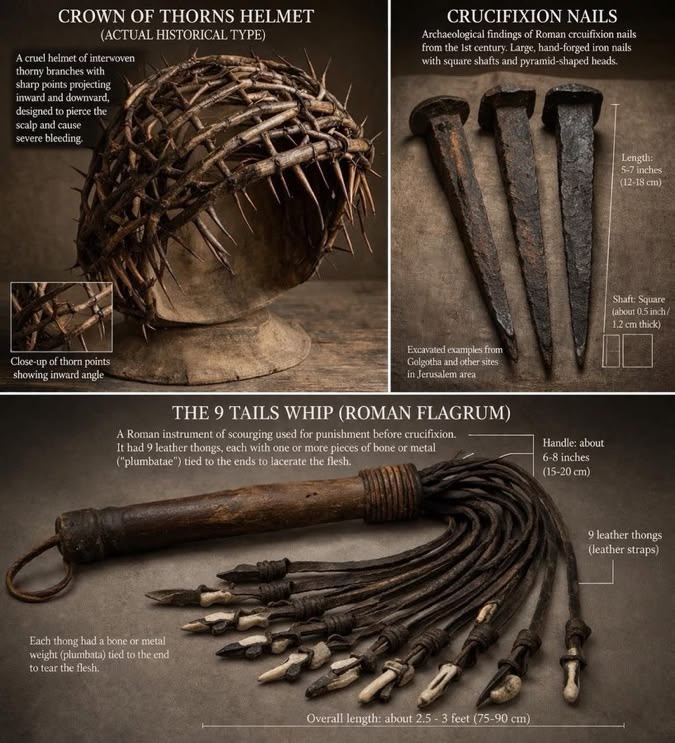
If you know me personally, then undoubtedly you’ve received texts from me with pictures like the one above; and, also undoubtedly, you very well may think I have a tendency to, possibly, go a bit “overboard” with sending such messages (lol).
However, even if my messages can, at times, seem “excessive”, you must know that I send them with the purest of reasons, and always with the utmost of love.
Sometimes I’m hoping to plant a seed in someone who doesn’t intimately know the Lord yet.
Sometimes I’m hoping to remind someone who does know Him of something they may have forgotten (often times in hopes of igniting anew the flame within their heart).
Sometimes Im sending something that touched my own heart; something beautiful or profound.
And sometimes I’m hoping to awaken a little righteous fear within someone who has forgotten that this life is but a fleeting breath, while eternity stretches endlessly beyond it — and that the time to consider where we will spend it is now, not tomorrow, not “someday”, because the “someday” our eternity begins just may be tonight; not tomorrow, not next week, next year, or even next decade. For none are promised tomorrow. None are promised even a next breath…
And so, though the subjects of my messages may vary, the purpose remains the same, always: to point people toward Christ. To strengthen others in Christ. To boldly walk with others in Christ.
And when I saw this particular image above, my immediate thought was, “I need to share this”!
But when I began trying to write up a message to go along with the image, I quickly realized – there was no way I could fit all that needed to be said in a one-paragraph text message!
There was simply too much here.
Too much history, archaeology, forensic evidence…
Too much Scripture & symbolism…
Too much pain & suffering…
Too much love.
Overall, there is simply too much to say about these three things portrayed in this one image — three things that represent only a fraction of what Christ endured, for us...
So instead of trying to cram all of it into a couple of paragraphs, I decided to give it the space that it deserves.
And so, the idea for my next blog post was born.
A Circlet Crown… or a Harrowing Helmet?
When we look upon paintings of the crucifixion, what do we see?
Jesus hanging upon the cross, a ring of thorns resting upon His head.
When we watch the crucifixion portrayed in movies or television, what do we see?
Jesus hanging upon the cross, a ring of thorns resting upon His head.
And when we close our own eyes and picture that most blessedly horrific moment in all of history, what do we see?
Jesus hanging upon the cross, a ring of thorns resting upon His head.
Over the course of centuries, from generation to generation, believers and skeptics alike have inherited the same visual image, envisioning a thin ring, or circlet, of thorns upon the head of Christ; so familiar has that image become to us.
And I’m not saying that’s bad! That very well may be exactly what the Roman soldiers placed upon Christ’s head. However, what if that is not what the crown of thorns looked like at all?
The Bible tells us that the Roman soldiers “twisted together a crown of thorns and put it on his head” (Matthew 27:29). Mark and John likewise tell us that a crown of thorns was placed upon His head. But Scripture doesn’t tell us exactly how the crown was fashioned — as a narrow ring encircling His brow, or as something much more substantial that covered the whole of His scalp.
So, everybody STOP! FREEZE FRAME!


Freezeframe – STOP! (Also, my ridiculous humor – STOP! This is a serious post, so, stop it, Sunday!)…. now, let’s take a sip of our coffee, and prepare to delve into a question that, at first glance, may appear obvious: what exactly is a crown?
When we hear the word crown, many of us probably tend to picture that familiar little circlet: a band encircling the brow, perhaps gold and decorated with crystalline jewels. However, that is but one form that a crown can take.
Throughout history, crowns have varied dramatically in their shape, size, construction, and purpose. Some have been little more than circlets resting around the brow. But others have been elaborate pieces that rise high above the head. And some have been substantial enough to cover much of the head itself, more akin to a fancy royal cap, almost.
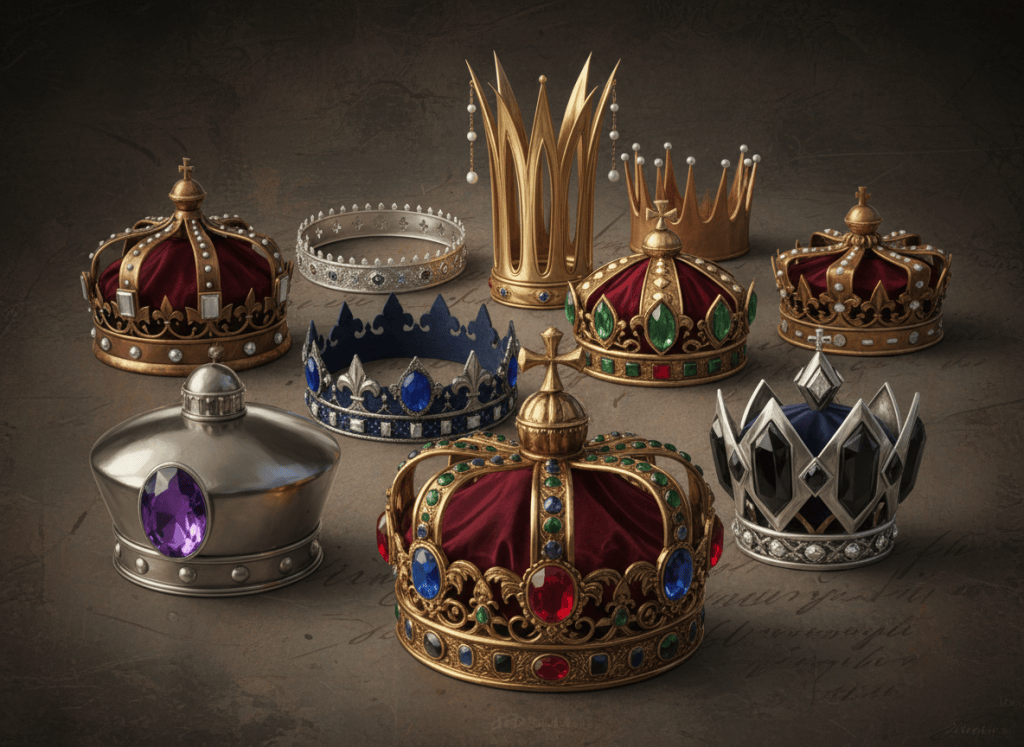
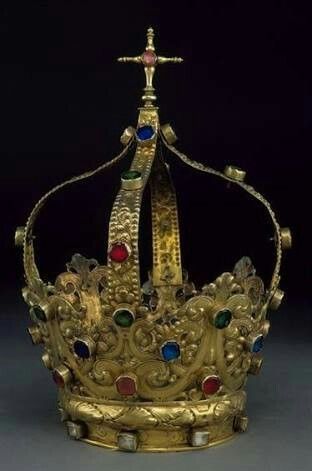
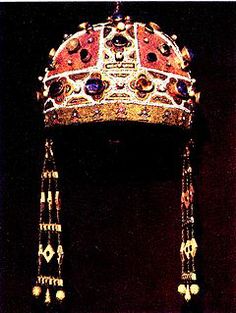
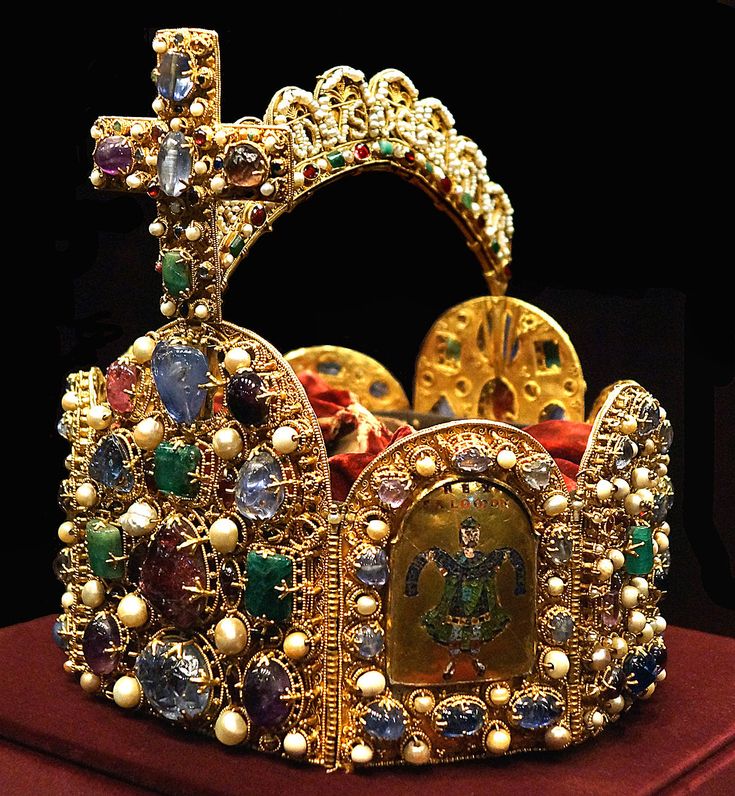
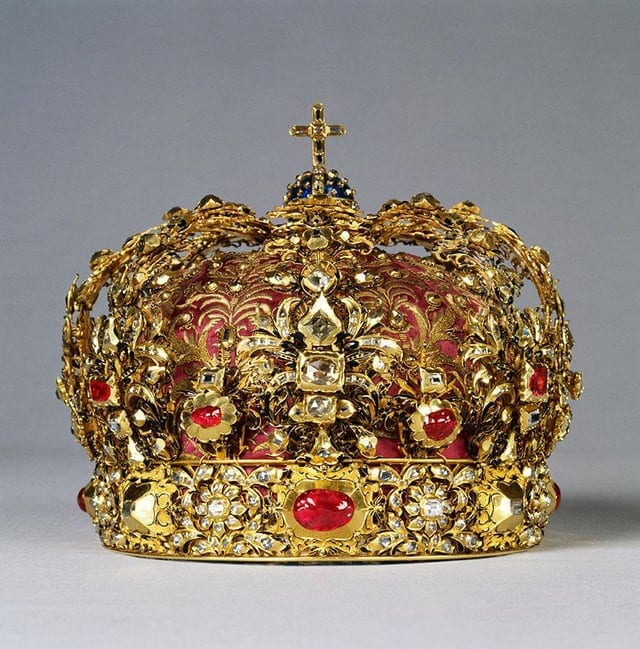
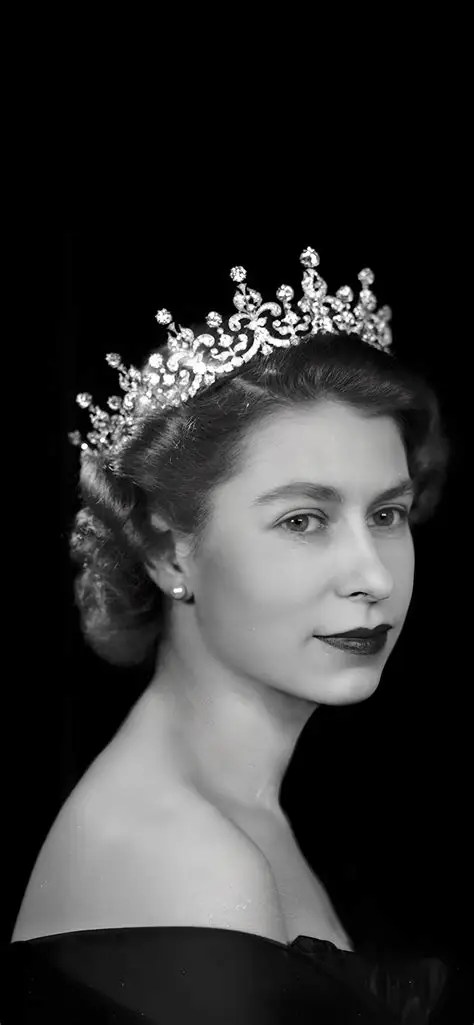
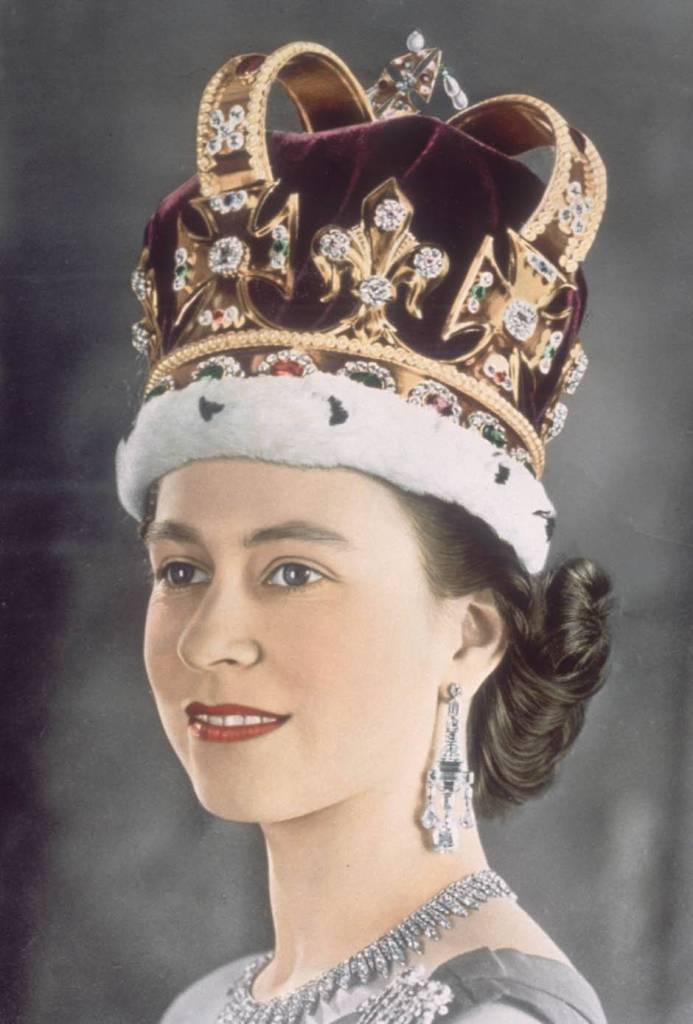

The images above demonstrate just how dramatically crowns can vary in shape, size, and appearance. Yet we readily recognize every one of them as a crown. So when Scripture tells us that the Roman soldiers fashioned a “crown of thorns” and placed it upon Christ’s head, why do we automatically picture only one particular form — a thin ring encircling His brow? Why has this particular image endured?
Was it simply an artistic interpretation that was repeated from one generation to the next until it became the image we all know and have thus come to accept as fact; without ever stopping to consider otherwise? Or is a thin circlet simply easier for us to envision — easier for us to bear — than the possibility of a crown that covered our Saviors entire scalp, reminding us just how much Christ endured, both for us, and because of us?
Whatever the reason, familiarity should never be mistaken for absolute certainty.
So what happens when we stop assuming the shape and begin examining the evidence?
One of the most intriguing pieces of evidence comes from an object that has been studied, debated, examined, and argued over for centuries: the Shroud of Turin.
I believe the Shroud without a doubt bears the image of Jesus Christ; and while I recognize that not everyone will share that conclusion (which is fine), I also believe that whether one accepts the Shroud as authentic or remains skeptical of its origins, the physical details observed in the image are worth examining. And the details surrounding the crown of thorns on the Shroud are particularly interesting.
A painting, no matter how old, how breathtaking, or how many millions of people may adore it, is nothing more than an artist’s rendition of what they believed the crown looked like. The Shroud, however, if genuinely authentic – and I believe it is – may show us something far more accurate: what the literal wounds themselves actually looked like.
And that distinction matters greatly. Because when we examine the blood patterns on and around the head, we find details that may challenge the familiar image of a simple circlet of thorns.
There Will be Blood
The Shroud’s image of the head contains numerous blood stains and rivulets, with blood appearing to flow through the hair, across the forehead, and toward the back of the head. Researchers examining these patterns have described meandering rivulets running through the hair and a particularly distinctive blood flow across the forehead. Some have interpreted the distribution of these wounds as consistent with a cap-like structure, with thorns extending across the scalp rather than being confined to a narrow band around the brow.
When we allow ourselves to consider the possibility of a crown that covered the scalp rather than merely encircling the brow, the familiar image begins to look very different.
And when the image changes, so does our understanding of what Christ may have endured due to it.
For starters, depending upon its size, shape, and depth of penetration, a thorn driven into the scalp could cause significant injury to the many blood vessels and sensory nerves lying within the layers of tissue covering the skull—which is why even relatively small wounds to the scalp can produce considerable bleeding.
Let’s take a look at just one of those many nerves lying within the layers of tissue — the trigeminal nerve. This nerve carries sensation from much of the face and front of the head, including the eyes, forehead, cheeks, nose, lips, jaw, and tongue. Injury or even irritation to this nerve can produce excruciating pain.
And because the trigeminal nerve serves so many different areas of the face and head, severe injury to its branches could potentially send excruciating pain radiating throughout multiple regions at once — across the forehead, around the eyes, through the cheeks, jaw, nose, and lips.
Now imagine long, sharp thorns repeatedly penetrating the scalp in the very region where these sensory pathways run.
It may very well have been akin to having needles driven repeatedly into the head; these sharp, rigid thorns that were being pressed into already exquisitely sensitive tissue, every puncture capable of sending another surge of excruciating pain through the surrounding nerves that were already sensitive due to injury.
And every movement of the head could have shifted the crown against the wounds it had created. Every movement of the head, every touch, every blow of the wind caressing His skin, every minute shift of the crown could potentially aggravate those wounds and intensify the pain. Even the simple movements required to speak or swallow could potentially have intensified the pain.
And if the crown was indeed fashioned from numerous sharp thorns driven into the entirety of the scalp, there would have been blood. A great deal of blood. And that is because the scalp has an exceptionally rich blood supply, and multiple puncture wounds across it could therefore produce considerable bleeding. Numerous punctures would create multiple points from which blood could flow simultaneously.
And this brings us back to the Shroud. The blood patterns visible around the head are not limited to a single flow across the forehead. Rivulets can be seen running through the hair and across different areas of the head, including toward the back. Which is precisely what we would expect to see with a cap, or helmet, of thorns.
And so, if the Shroud truly bears the image of Christ, those blood patterns may offer us something extraordinary to consider — that our familiar idea of a simple circlet of thorns may have been wrong all along.
Anxious to look even deeper into the harrowing details of crucifixion? Parts 2 & 3 coming soon..
╔════════════════════════════════╗
☩ One Cup. One Christ. One Calling. ☩
— Sunday Morning Coffee and Christ. —
╚════════════════════════════════╝


Leave a comment